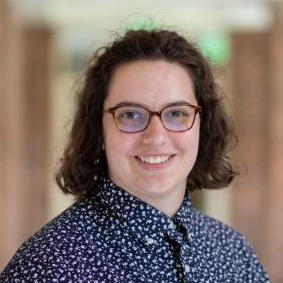
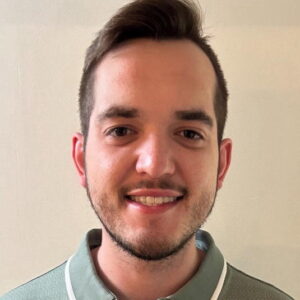
Bootcamp directors Rick Gilmore, Ph.D., and Alaina Pearce, Ph.D., invite you to join them for an event that seeks to empower researchers to make science more open, reproducible, and impactful.
The Bootcamp will focus on these themes:
What open science is and why it matters
Ethical and practical considerations of openness
Tools and workflows for reproducible research (including R, R Markdown, Quarto, Python, and Jupyter Notebooks)
How to manage data and get credit for sharing data and materials
Attendees will enjoy continental breakfasts and light lunches (with vegan and vegetarian options), connect with colleagues, and develop practical skills to bring openness to your research.
Abstract: In societies where the social constructs of race and ethnicity are used to inform and justify a hierarchical structure of power and access to resources, ethnic-racial identity formation becomes an important developmental competency to understand and foster in young people. Furthermore, the developmental period of adolescence provides a unique context within which to understand how age-graded and socio-culturally informed contingencies interact to shape young people’s development. This presentation will explore how school-based interventions such as the Identity Project can promote adolescents’ ethnic-racial identity development and, in turn, their psychosocial adjustment. Findings will be shared from a series of investigations that (a) tested the efficacy of the Identity Project curriculum, (b) examined changes in adolescents’ ethnic-racial identity when their teachers implemented the Identity Project, (c) tested the feasibility of training educators to deliver the curriculum with fidelity, and (d) explored changes in high school teachers’ culturally sustaining pedagogical practices after training for and implementing the Identity Project. Finally, emerging research on the cross-cultural adaptation of the Identity Project will be presented, with attention to how this work may contribute to building a more global developmental science.
Thursday, October 2, 2025
The 2025-2026 Child Study Center’s Lois Bloom Lecture
4:15 p.m., Nittany Lion Inn, Ballroom A/B
Light reception to follow
Abstract: This session will focus on three examples of programs to reduce behavioral and mental health problems in children and youth in K-12 settings that have been adapted in various ways to optimize fit with the school and classroom setting and promote scalability. I will feature work on the Coping Power program, which has been adapted for middle, high school, and rural school settings, as well as the Double Check student engagement and culturally responsive practices program, along with a third model which integrates SEL and equity lessons for students. Research related to coaching and implementation factors will be highlighted.
Co-Sponsored with the Edna Bennett Pierce Prevention Research Center
Dr. Bradshaw is also presenting the BENNETT LECTURE
Wednesday, November 12, 2025
4:00 p.m. – 5:30 p.m., Bennett Pierce Living Center, 110 Henderson Building
Thursday, November 13, 2025
9:00 – 10:30 a.m., Memorial Lounge, Pasquerilla Spiritual Center
Reception to Follow
Lois Autrey Betts Endowed Chair
University Distinguished Professor
Departments of Health Policy & Human Organizational Development
Vanderbilt University
Lois Autrey Betts Endowed Chair
University Distinguished Professor
Departments of Health Policy & Human Organizational Development
Vanderbilt University
Community-engaged research has burgeoned over the past two decades, characterized by a paradigm shift from doing work on communities to doing work with communities. Evolving from niche to conventional, this methodological approach centers equity and addresses social concerns through partnership. As universities focus on public-engaged scholarship, it is essential that scholars and community members have the capacity to critically engage in this space. The 2026 Child Study Center Innovation Hub symposium, Community-Engaged Research for Public Impact: Process to Policy, will provide a forum to do this, focusing on community-engaged research perspectives, methods, and approaches with diverse populations, in multiple geographies, across the lifespan. Partnering with the Community-Engaged Research, Action, and Partnerships (CERAP) Unit at the Social Science Research Institute, this interdisciplinary symposium will bring together Penn State faculty, community partners, practitioners, and others to learn more about community-engaged research and how to harness this approach to improve the lives of diverse children, youth, and families. Dr. Velma Murry will share expertise in utilizing community-engaged approaches at the individual, familial, community, policy, and intervention levels with rural and urban populations, and she will share a historical perspective, highlighting changes and growth in this approach. Dr. Goessling, an expert in participatory, action-oriented research approaches and research capacity building, will showcase the process – a community-engaged iterative research cycle – within the education domain. Dr. Elan Hope will share a unique perspective as a university scholar and policy analyst to demonstrate how community-engaged approaches can be used to produce transformative science.
Presented in partnership with the Community-Engaged Research, Action, and Partnerships (CERAP) Unit at Penn State’s Social Science Research Institute.
Friday, February 6, 2026
Time: 8:30 a.m. – Noon
Location: Nittany Lion Inn – Ballroom A/B
200 W. Park Ave., State College, PA
Abstract: This presentation will review how the Recipe 4 Success preventive intervention used a community-based participatory approach to design a new home visit curriculum for families with young children living in poverty. It will summarize the results from two randomized controlled trials testing that curriculum against current evidence-based practices on multiple domains of functioning, including parents’ sensitive scaffolding, responsive food parenting practices, toddlers’ self-regulation, and healthy eating habits. It then will explore how studies of therapeutic mechanisms within Recipe 4 Success shed light on broad principles of design and implementation that might enhance the effectiveness of other preventive interventions.
Thursday, March 19, 2026
Child Study Center Speaker Series
4:00 p.m., Memorial Lounge, Pasquerilla Spiritual Center
Light reception to follow
Vanessa LoBue, Ph.D.
Professor of Psychology
Director of The Child Study Center Lab
Rutgers University
Vanessa LoBue, Ph.D.
Professor of Psychology
Director of The Child Study Center Lab
Rutgers University
Abstract: Emotion understanding—or the set of abilities related to determining the emotions of others—is crucial for the development of healthy social interactions. Emotion understanding allows us to respond appropriately to others’ needs, make predictions about social interactions, and even regulate our own emotional responses effectively. But how do infants first develop emotion understanding? In this talk, I will describe the developmental trajectory of infants’ engagement with emotional stimuli over the first two years of life, and how the emotional input infants receive from their environments might shape and even shift that trajectory over time.
Thursday, April 23, 2026
Child Study Center Speaker Series
4:00 p.m., Memorial Lounge, Pasquerilla Spiritual Center
Light reception to follow
Abstract: In this talk, I will explore how risk for anxiety unfolds across generations, beginning with early-emerging differences in children’s emotional responding and sensitivity to threat. I will highlight how patterns of emotional responding, particularly heightened sensitivity to threat, are shaped by intergenerational influences, including parental anxiety, caregiving patterns, and family history of risk. Drawing on a multidisciplinary approach that integrates clinical, behavioral, and neural measures, I will present evidence for how these processes become embedded within parent–child interactions, contributing to both vulnerability and resilience. I will conclude by discussing how an intergenerational lens can inform earlier identification and more effective, family-centered approaches to prevention and intervention.
Co-sponsored by the Child Study Center
Wednesday, April 29, 2026
1:30 p.m. – 2:45 p.m.
127 Moore Building, University Park
Harold and Inge Marcus Industrial and Manufacturing Career Development Associate Professor of Industrial and Manufacturing Engineering, of Computer Science and Engineering, and of African American Studies
Director of THiCC Lab
Penn State
Harold and Inge Marcus Industrial and Manufacturing Career Development Associate Professor of Industrial and Manufacturing Engineering, of Computer Science and Engineering, and of African American Studies
Director of THiCC Lab
Penn State
Executive Director, Children Helping Science
Research Scientist, Brain and Cognitive Sciences
MIT Schwarzman College of Computing
Massachusetts Institute of Technology
Executive Director, Children Helping Science
Research Scientist, Brain and Cognitive Sciences
MIT Schwarzman College of Computing
Massachusetts Institute of Technology
Bootcamp directors Rick Gilmore, Ph.D., and Alaina Pearce, Ph.D., invite you to join them for an event that seeks to empower researchers to make science more open, reproducible, and impactful.
Goals of the Bootcamp:
To create a focal point for activity and learning related to open scholarship practices.
To accelerate the development of a community of scholars who are interested in open scholarship.
To plan next steps that will foster the emergence of a robust open scholarship community at Penn State.